
Apr 29,2026
Pageview: 35
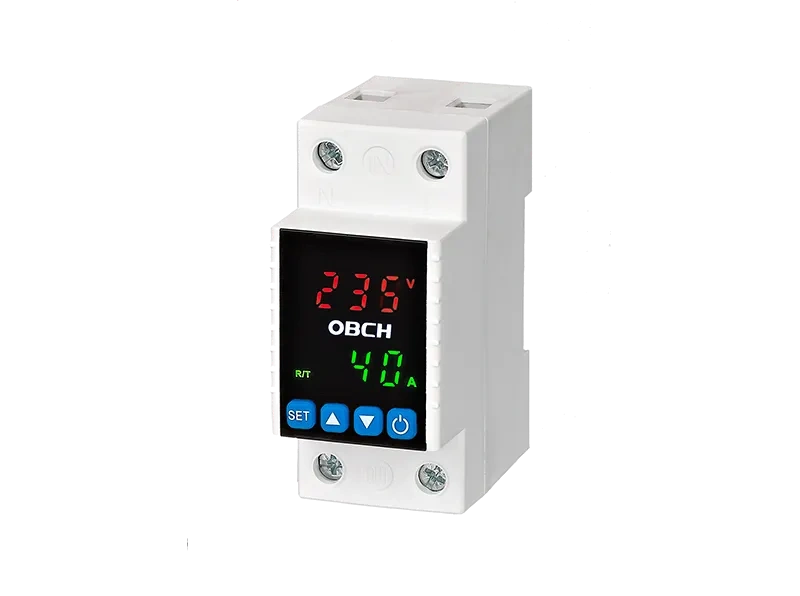
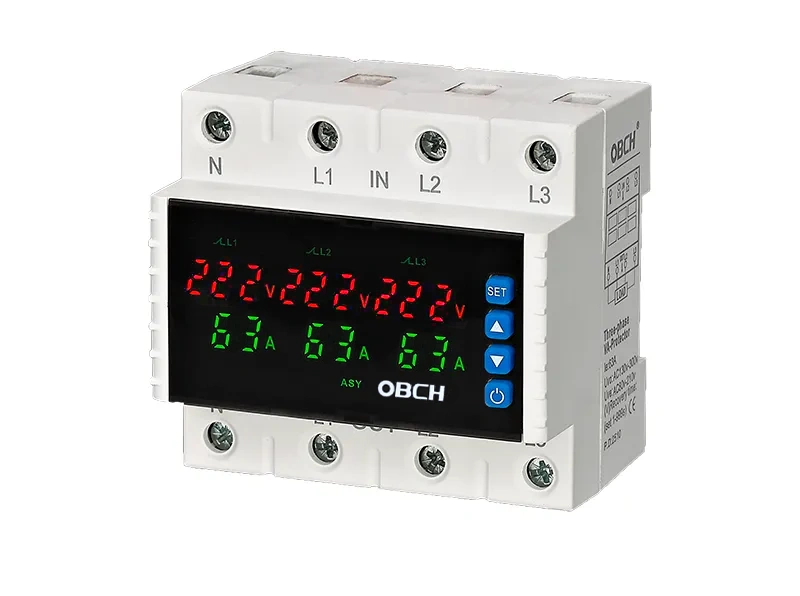
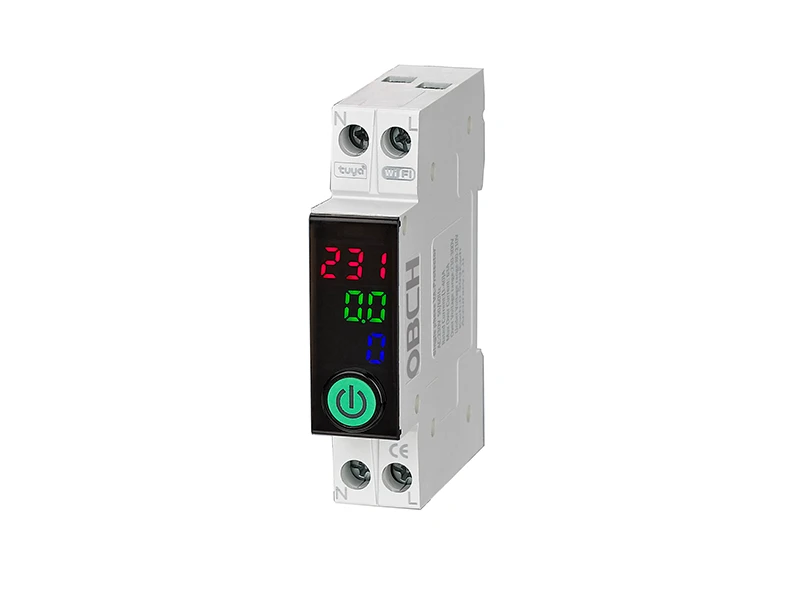
If your home or facility experiences voltage fluctuations, sudden power surges, or unstable current, the most practical and immediate solution is to install an Adjustable Voltage Protector. It acts as a frontline defense—automatically cutting off power when voltage exceeds safe limits and restoring it when conditions stabilize. For buyers searching this term, the goal is simple: prevent expensive appliance failure without constant manual monitoring.
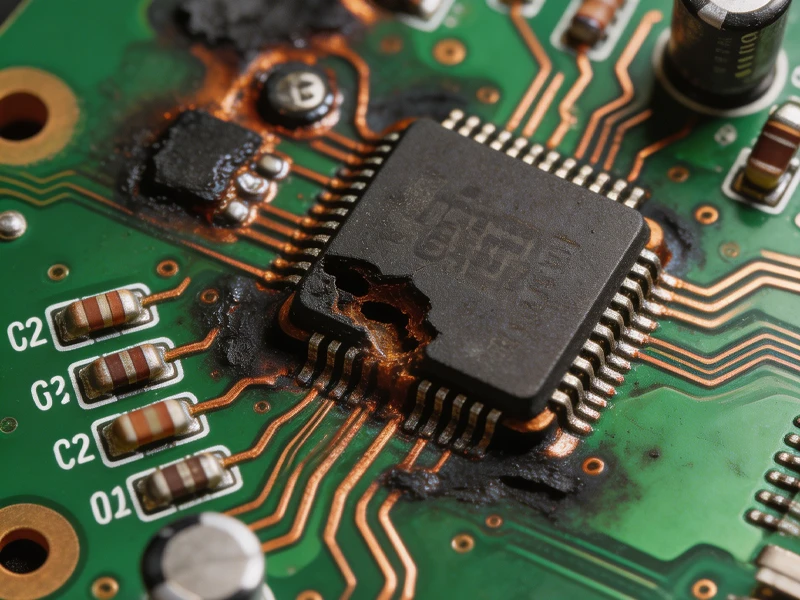
Here’s something most electricians won’t say outright: appliances rarely “just break.” They degrade quietly due to unstable voltage conditions in residential power systems.
Common risk scenarios include:
According to guidelines from the International Electrotechnical Commission (IEC), even minor voltage deviations can significantly reduce equipment lifespan over time. That slow damage is what costs you.
When people search for protection devices, they’re not just looking for safety—they’re looking for control and predictability.
Let’s break down the real expectations:
Different appliances have different tolerances. A refrigerator isn’t a CNC machine.
That’s why adjustable overvoltage and undervoltage protection settings matter more than fixed-limit devices.
Nobody wants to manually reset devices after every fluctuation. A good system includes auto-reconnect delay protection for appliances.
Modern users prefer visibility. Features like digital voltage display and current monitoring are no longer optional—they’re expected.
Basic surge protectors or traditional stabilizers often fall short because:
In one factory case I encountered, a low-cost protector failed to disconnect during a sustained overvoltage event. The result? Three damaged motors in under 10 minutes.
This is where devices like an intelligent voltage current protector start to make sense—not as luxury upgrades, but as necessary infrastructure.
These systems combine:
For those evaluating options, it’s worth taking a closer look at detailed specifications and understanding how these systems adapt to real-world conditions.
Let’s put things into perspective:
From a practical standpoint, flexibility and speed of response are what separate reliable systems from risky ones.
From what I’ve observed, OBCH focuses less on generic protection and more on application-specific solutions.
Key advantages include:
If you're unsure which configuration fits your setup, you can get selection advice based on your actual load requirements.
Picture a small grocery store running multiple refrigerators:
After installing a properly configured Adjustable Voltage Protector, the owner noticed:
That’s not just protection—it’s operational stability.
Most buyers start with fear—of damage, of cost, of failure.
But the smarter perspective is this: you’re not just protecting devices—you’re stabilizing your entire electrical ecosystem.
A well-chosen Adjustable Voltage Protector doesn’t just react to problems. It prevents them from escalating in the first place.
If you’re planning long-term reliability, it’s worth taking the next step to explore real-world applications and match the right system to your environment.

GET A QUOTE
 English
 Chinese
 Pусский
 Français
 Español
 Deutsch
 Português
 한국인
한국인 عربي
عربي