
May 13,2026
Pageview: 108
When an unexpected voltage surge hit a Midwest manufacturing plant last winter, their critical production line stayed online – not because of luck, but because a well-maintained intelligent voltage regulation unit reacted in milliseconds. Six months earlier, a neighboring facility with identical gear suffered a three-day shutdown after ignoring the same device’s warning signs. The difference? A disciplined maintenance schedule.
This scenario plays out daily across industries relying on automatic power conditioning and switching equipment. While these devices are engineered for years of reliable service, their internal components – contactors, control boards, arc chutes, and cooling systems – gradually degrade under thermal stress, vibration, and contamination. Without systematic care, even the most advanced intelligent voltage regulator becomes a liability.
Many facility managers assume that once an intelligent voltage adaptation device is installed and commissioned, it requires little attention beyond occasional visual checks. This assumption often leads to three preventable consequences:
Unexpected downtime – A sticking contactor or failed capacitor bank can trigger protective lockouts, halting operations for hours or days.
Safety hazards – Accumulated dust and moisture tracking can reduce insulation resistance, increasing arc flash risk during switching operations.
Premature component failure – Loose connections cause localized overheating, accelerating wear on semiconductor modules and coils.
In fact, a study by the IEEE Industry Applications Society found that over 30% of unplanned outages in power distribution systems are linked to inadequate preventive maintenance on voltage transformation and switching devices (IEEE Std 902-1998, revised 2018). That translates to lost revenue, emergency repair premiums, and potential regulatory non-compliance.
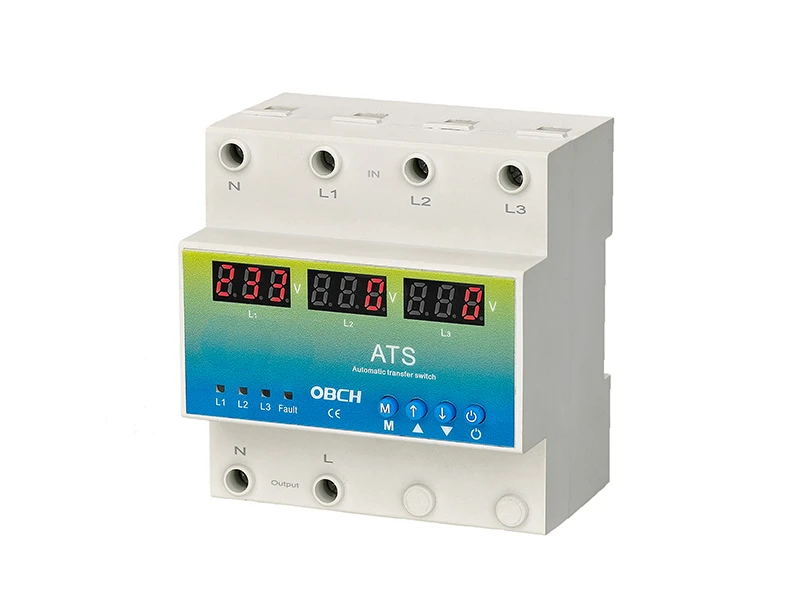
To keep your power conditioning and protection assets operating at peak performance, integrate these five tasks into your quarterly or semi-annual schedule. Each directly addresses a common failure mode.
Loose or oxidized terminals generate heat long before they fail outright. Using an infrared camera, scan all primary and secondary connections – including line side, load side, and control wiring terminals. Compare readings against baseline values taken during commissioning. A temperature rise exceeding 15°C above ambient or 10°C above neighboring terminals warrants immediate torque correction or contact cleaning.
The electromechanical heart of any voltage regulation and transfer assembly relies on clean, properly aligned contacts. Remove the arc chutes (following manufacturer lockout/tagout procedures) and inspect contact surfaces for pitting, welding marks, or silver-oxide build-up. Light discoloration can be cleaned with a contact burnishing tool; heavy erosion requires replacement. Also check the mechanical linkage for free movement – any sticking indicates dried lubricant or debris.
Modern intelligent units contain microcontroller-based logic that tracks operational parameters like cycle counts, trip events, and coil response times. Access the event log (if equipped) and look for repeated “transfer inhibit” or “position mismatch” warnings – these often signal developing issues with position sensors or drive motors. Also verify that the firmware version matches the latest non-critical update from your OEM, as manufacturers frequently release patches that improve diagnostic accuracy or modify timing curves.
Over time, moisture ingress and accumulated conductive dust can degrade insulation on bus bars, wiring, and terminal blocks. Perform a 500 V or 1000 V megger test between phases and phase-to-ground, comparing results to the manufacturer’s minimum acceptable value (typically > 2 MΩ for low-voltage systems). A significant downward trend from previous tests is reason for investigation – possibly indicating cracked insulation or internal tracking paths.
Open and closed transition devices are particularly sensitive to airborne contaminants. Use a vacuum with non-conductive nozzle or low-pressure compressed air (below 25 psi) to remove dust from control compartments, heatsinks, and arc chute chambers. Avoid leaving any cleaning residue. Also check the enclosure’s gaskets, breather drains, and heater (if anti-condensation type) – a failed heater is a common hidden cause of internal moisture damage.
Even experienced electricians sometimes follow outdated practices. Here are three myths that directly harm intelligent power switching systems:
Myth 1: “If it’s working, don’t touch it.”
Reality: Many degradation modes (contact pitting, logic drift, capacitor drying) produce no symptoms until failure. Proactive inspection catches them early.
Myth 2: “Any lubricant works for the mechanism.”
Reality: Standard greases can outgas or harden at elevated temperatures, jamming linkages. Always use the OEM-specified low-volatility lubricant.
Myth 3: “A quick visual walk-by is enough.”
Reality: Loose connections and hot spots are invisible to the naked eye. Thermal scanning and torque verification are non-negotiable for high-current paths.
Routine maintenance extends life, but every device has a practical service horizon. Consider replacing your voltage regulation and transfer equipment if:
Replacement parts are no longer available or have lead times exceeding four weeks.
The unit has experienced three or more unplanned outages in 12 months despite following the above checklist.
Your facility’s fault current capacity has increased beyond the device’s interrupting rating – a serious safety risk.
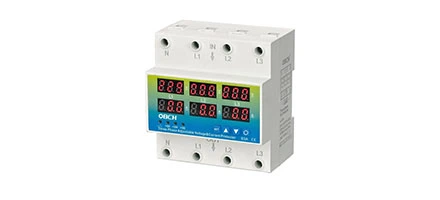
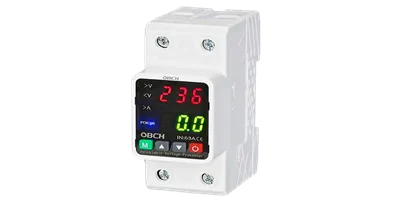
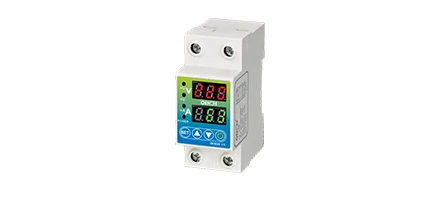
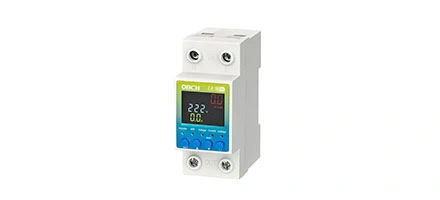
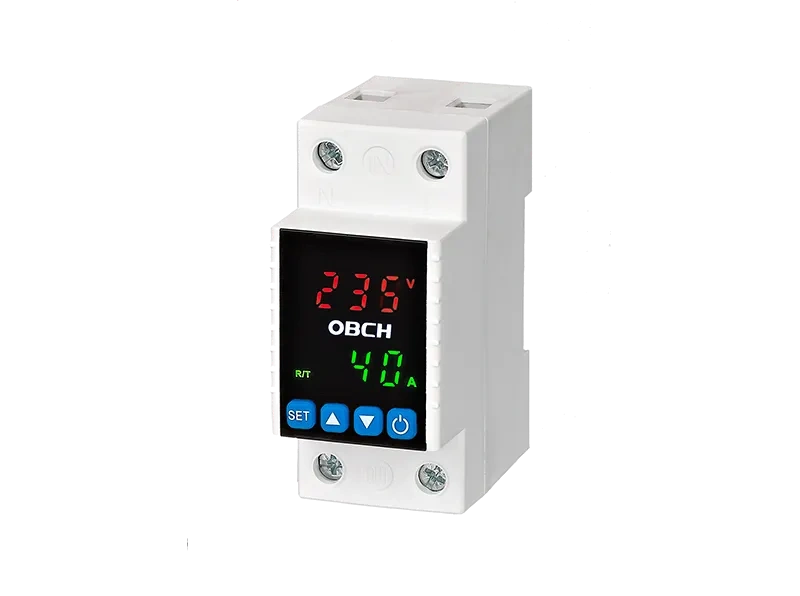
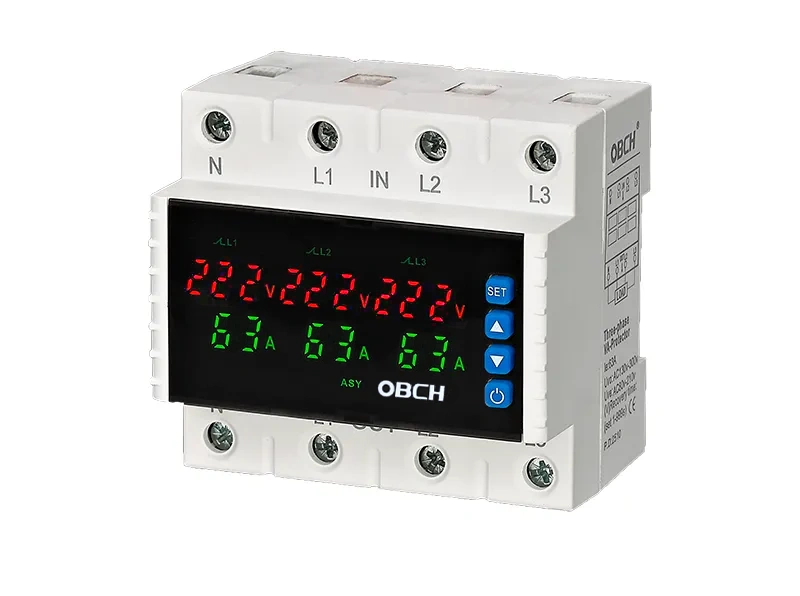
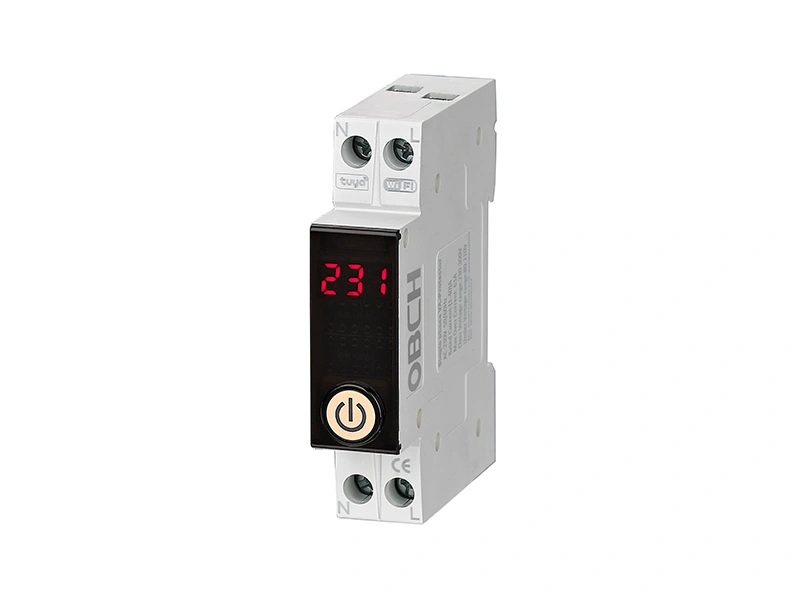
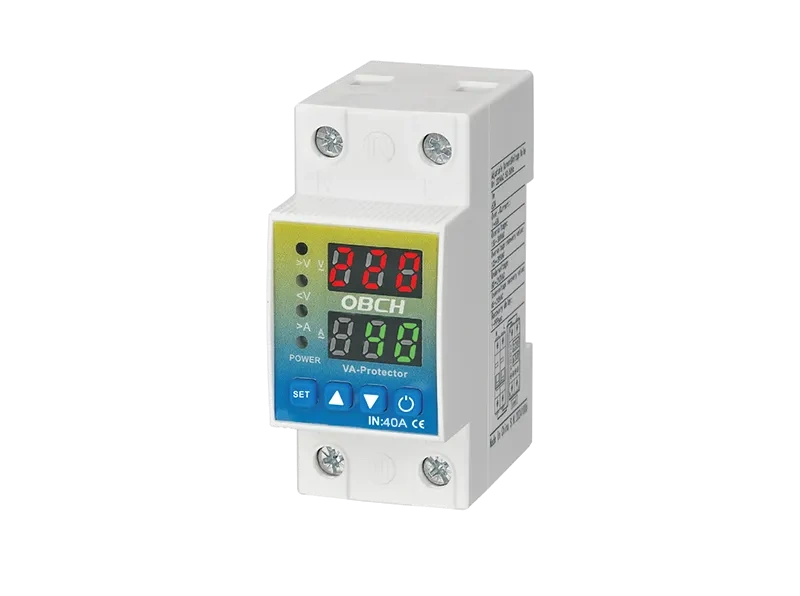
If you find yourself in this situation, selecting a modern, well-supported solution becomes critical. For facilities seeking robust performance with simplified maintenance access, our intelligent switch series incorporates modular contactor assemblies, sealed logic compartments, and remote diagnostic ports – features that reduce routine service time by nearly 40% according to field trials.
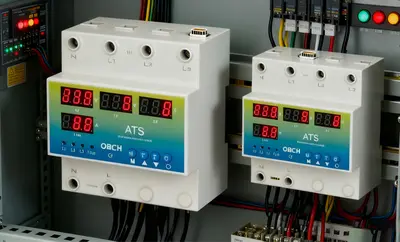
The most cost-effective reliability strategy is not expensive condition monitoring systems – it’s a disciplined schedule executed by trained personnel. Document every inspection: torque values, megger readings, thermal images, and any corrective actions. This data not only proves regulatory compliance (NFPA 70B, which mandates preventive maintenance for electrical equipment) but also helps predict component lifespan.
A leading automotive parts supplier in Ohio adopted this approach for 14 voltage regulation and switching units. After two years, they reduced emergency callouts by 72% and extended average replacement intervals from 6 to 11 years. The annual maintenance cost per unit? Less than 2% of a new purchase price.
Whether you operate a data center, a plastics extrusion line, or a hospital backup power system, the principles above apply universally. Start with a single unit: perform a baseline thermal scan, check contact wear, run a megger test, and clean the enclosure. Compare results to manufacturer specs. You will likely find at least one discrepancy that would have become a failure within months.
If you prefer a turnkey solution with built-in predictive diagnostics, explore advanced protection platforms designed for minimal hands-on maintenance. OBCH’s engineering team provides customized maintenance schedules and remote support – see available configurations that match your load profile and environmental conditions.
References
IEEE Std 902-1998 (R2018), Guide for Maintenance, Operation, and Safety of Industrial and Commercial Power Systems
NFPA 70B, Recommended Practice for Electrical Equipment Maintenance (2023 Edition)
OBCH field study, Midwest automotive supplier case (data on file)

 English
 Chinese
 Pусский
 Français
 Español
 Deutsch
 Português
 한국인
한국인 عربي
عربي