
May 20,2026
Pageview: 81
It was a sweltering July afternoon when Sarah returned from vacation to find her kitchen smelling of burnt plastic. The culprit? A voltage surge during a thunderstorm had fried the control board of her two-year-old refrigerator. The repair bill was nearly half the cost of a new unit, and the insurance deductible made a claim pointless. Sarah’s story is far from unique—millions of home appliances are damaged each year by unpredictable voltage fluctuations, brownouts, and surges. The real tragedy is that most of these incidents are preventable with the right protection strategy.
Power grids are not as stable as we assume. Voltage can spike when heavy machinery switches off nearby, or sag when demand soars during a heatwave. Even within your home, a faulty air conditioner compressor or a refrigerator cycling on can create micro-fluctuations that slowly degrade sensitive electronics. Traditional surge protectors—those ubiquitous power strips—offer some defense against massive spikes, but they do nothing for over-voltage or under-voltage conditions that persist for minutes or hours. That’s where a more intelligent approach becomes necessary.
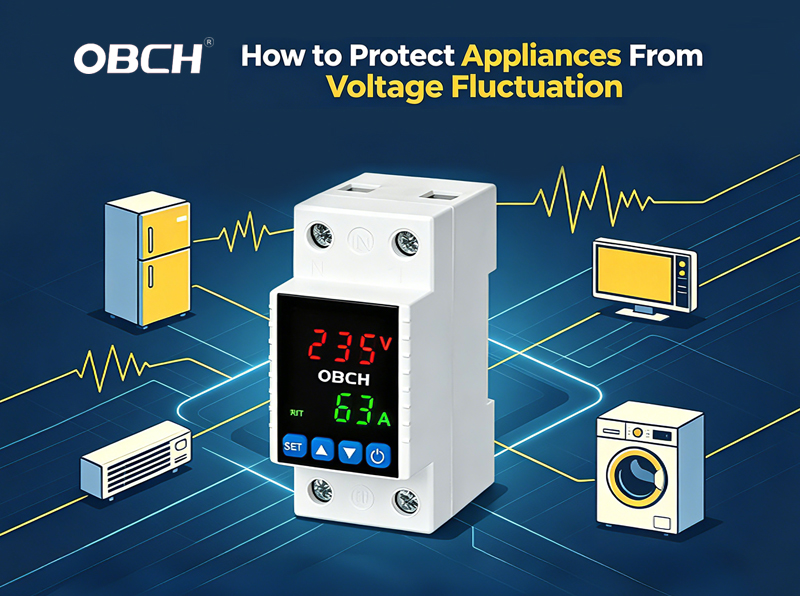
For homeowners seeking a dependable defense against erratic power, integrating a precision voltage and current monitoring device into the main panel or at the socket level is a game changer. Unlike basic surge strips, a digital voltage protector—often termed an adjustable voltage protector in professional circles—actively monitors both over- and under-voltage thresholds and disconnects the load until the supply stabilizes. This dual-action protection ensures that appliances are never exposed to conditions that can overheat motors, corrupt microcontroller logic, or degrade capacitor banks.
Most households rely on one or two countermeasures. Let’s break down their limitations:
Surge Protector Power Strips: These clamp high-voltage transients (typically above 330V) but remain silent during a 260V over-voltage that can slowly cook a refrigerator compressor or during a 180V brownout that makes motors stall and draw excessive current.
Voltage Stabilizers: Often used for air conditioners, these electromechanical devices use a servo motor to adjust output voltage. They are bulky, slow to respond (often 1–3 seconds), and introduce wear parts. Moreover, they consume power even when the appliance is off.
Uninterruptible Power Supplies (UPS): While they provide battery backup, most consumer UPS units do not regulate voltage for extended under-voltage events unless they are line-interactive models, and even then, the battery wears prematurely if used as a constant voltage corrector.
These gaps highlight why a dedicated over/under voltage protection device is essential for today’s electronics-heavy homes.
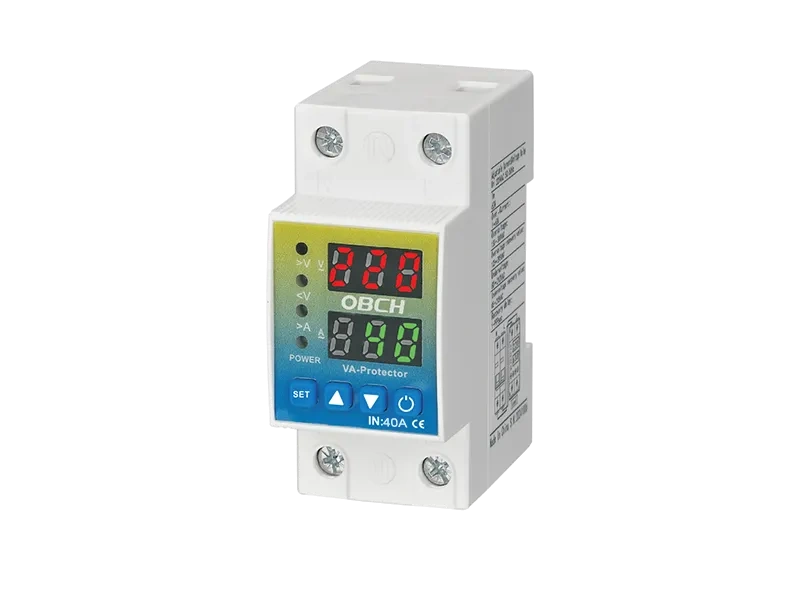
When evaluating options, consider the following side-by-side comparison:
| Protection Method | Protects Against Surges | Protects Against Sustained Over/Under Voltage | Adjustable Thresholds | Real-Time Monitoring | Best For |
| Basic Surge Strip | Yes (limited joules) | No | No | No | Small electronics, lamps |
| Voltage Stabilizer | Sometimes | Yes (mechanical) | No | No | Old appliances with motors |
| Fixed Voltage Protector | Yes | Yes (preset limits) | No | Sometimes | General-purpose protection |
| Digital Adjustable Protector | Yes | Yes | Yes (user-defined) | Yes (digital display) | Sensitive electronics, variable grid conditions |
For homes with frequent brownouts or where you want to safeguard a home theater system or medical equipment, the ability to set custom high and low voltage cutoffs is invaluable. A protection unit with user-defined voltage limits offers peace of mind that a one-size-fits-all device can’t match. You can adjust, for instance, a high cutoff of 255V and a low cutoff of 190V to match the tolerance of your specific equipment, with a restart delay to prevent rapid cycling of compressors.
I once helped a friend configure his home theater setup. We used a protector that let us set a 3-minute restart delay, preventing short cycling of the projector’s lamp after a brief outage. In another instance, a small bakery prevented repeated mixer motor burnouts by installing a unit that disconnected when voltage sagged below 200V, a common occurrence in their industrial-area grid. These stories underscore that real protection goes beyond clamping surges—it requires dynamic voltage management and timing control.
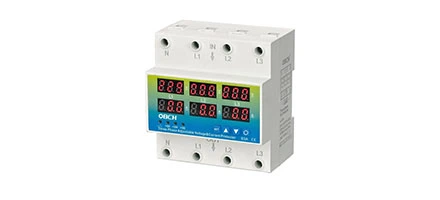
When installing such a device, ensure the current rating (in Amperes) exceeds the maximum draw of the connected appliance by at least 20%. For whole-house or multi-appliance coverage, consider a DIN-rail mounted protector integrated into the distribution board. Many modern units feature a clear digital display showing real-time voltage, which doubles as a diagnostic tool—if you notice frequent disconnections, it might be time to lodge a complaint with your utility provider.
While many products claim to safeguard electronics, an adjustable voltage protector truly adapts to the unique needs of each home. Whether you need to protect a medical refrigerator that must stay within a narrow voltage band, or a workshop with tools that cause internal line noise, the ability to fine-tune settings transforms a generic gadget into a tailored shield. According to IEC 60364-4-44, protection against voltage disturbances is a critical aspect of electrical installation safety, and adjustable parameters help meet these recommendations without over-engineering the protection.
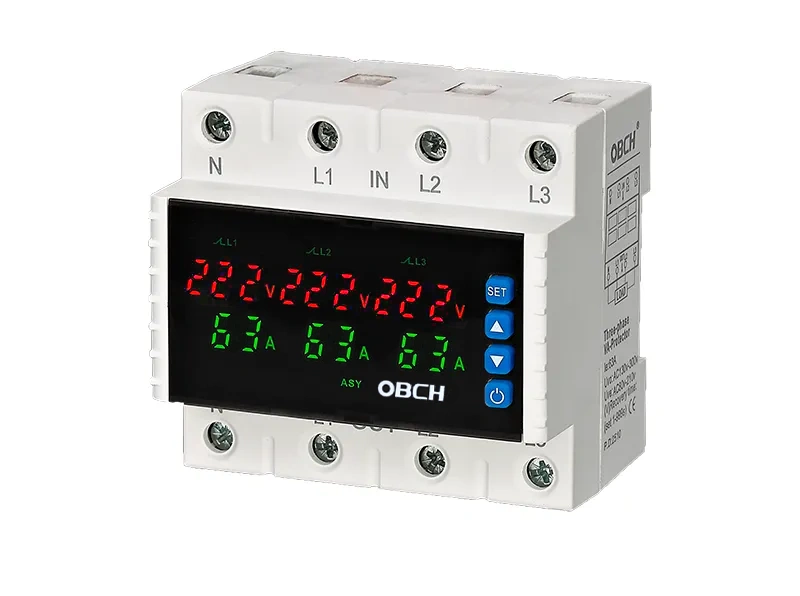
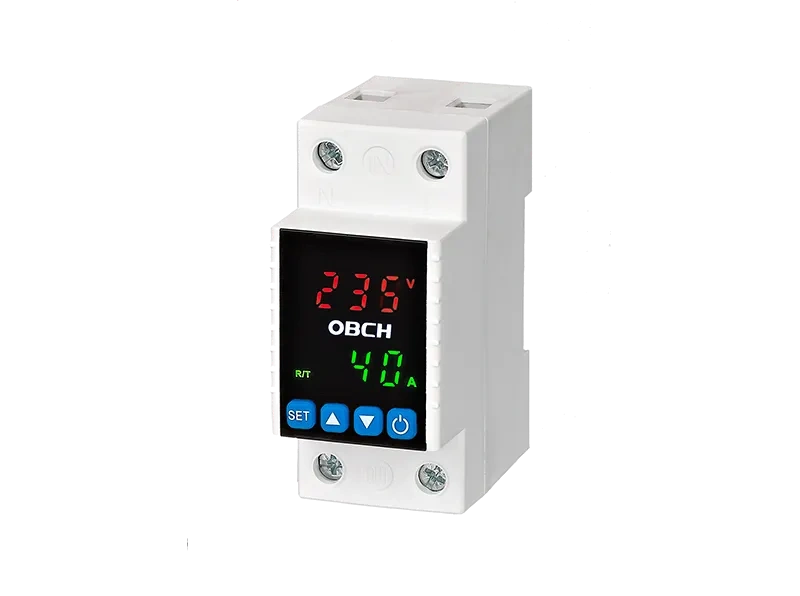
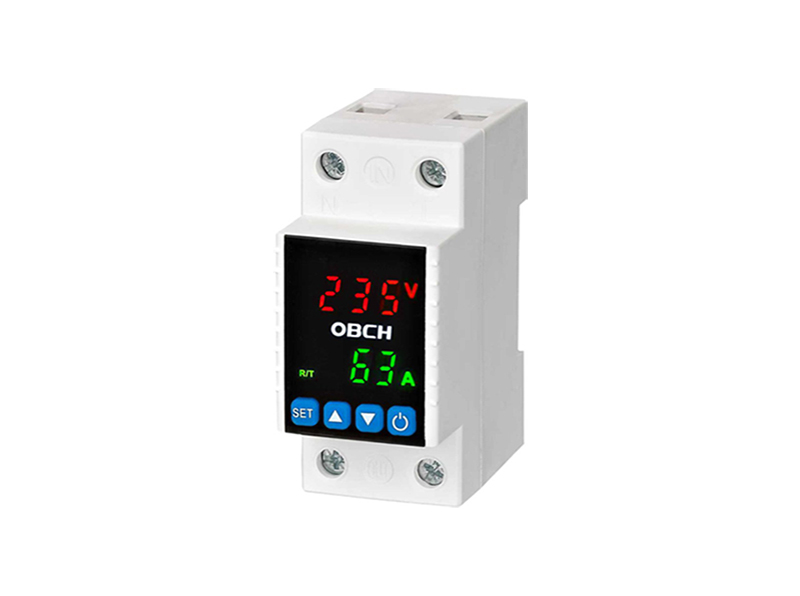
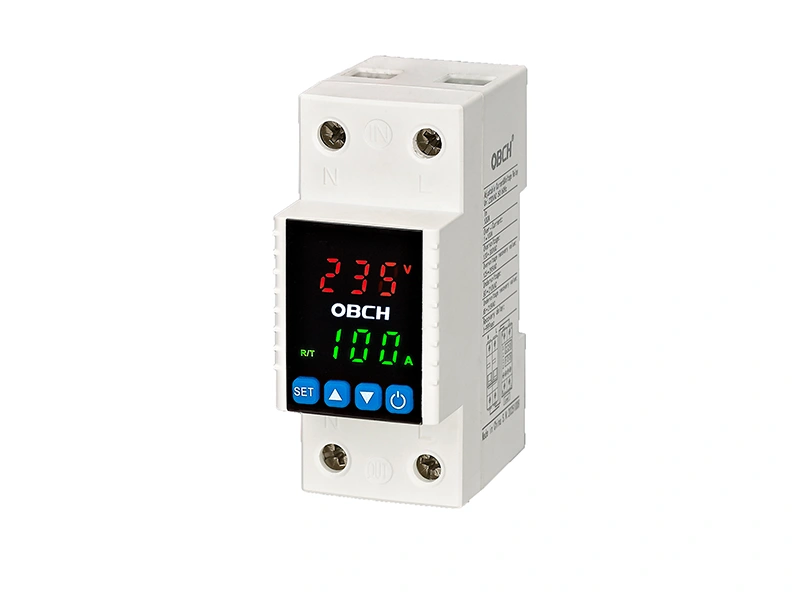
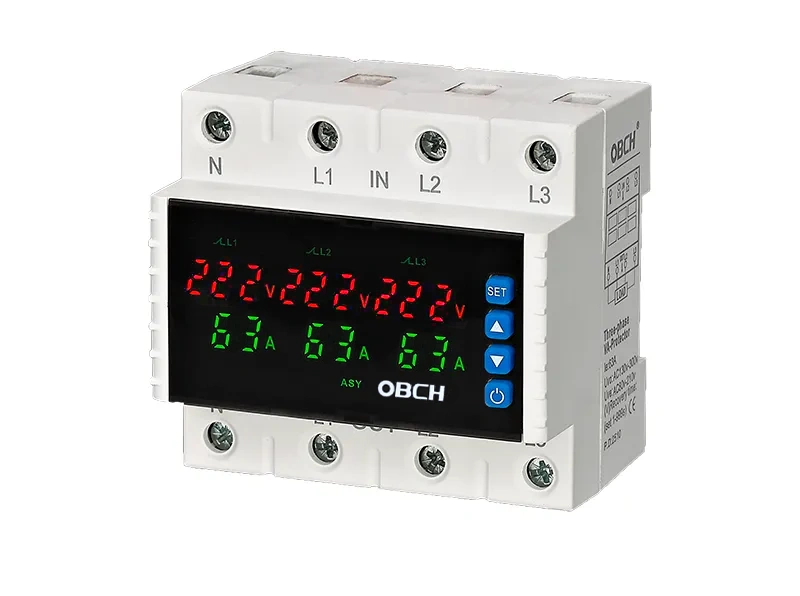
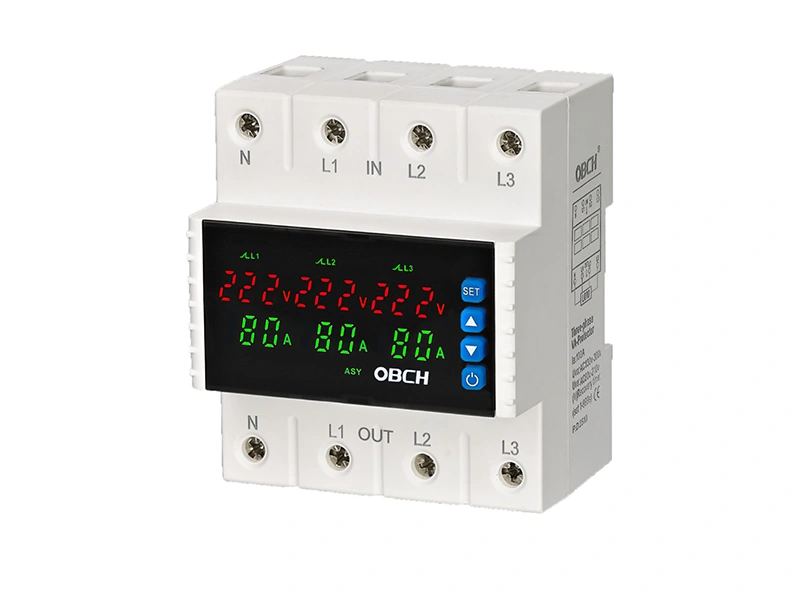
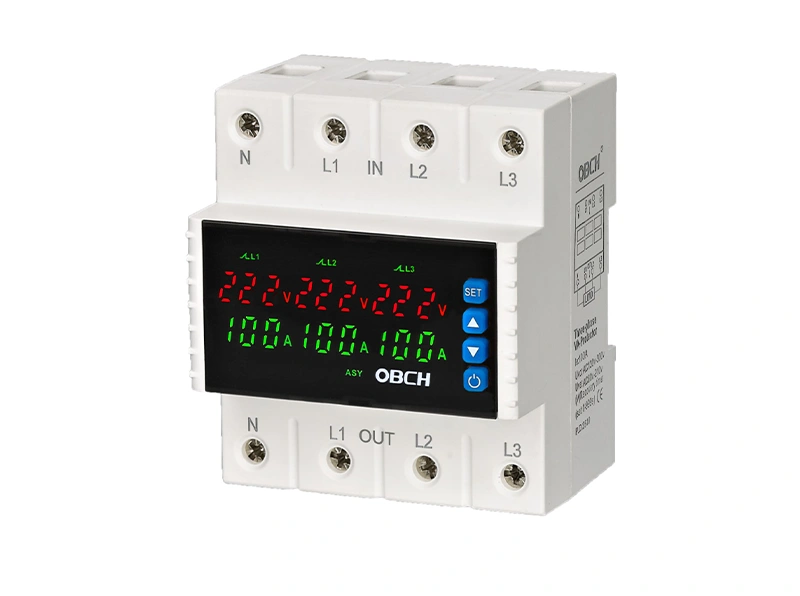
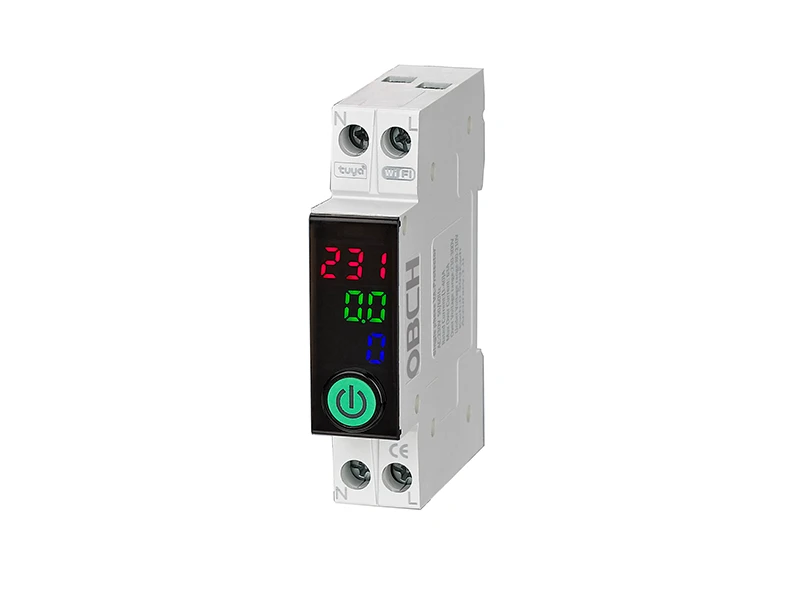
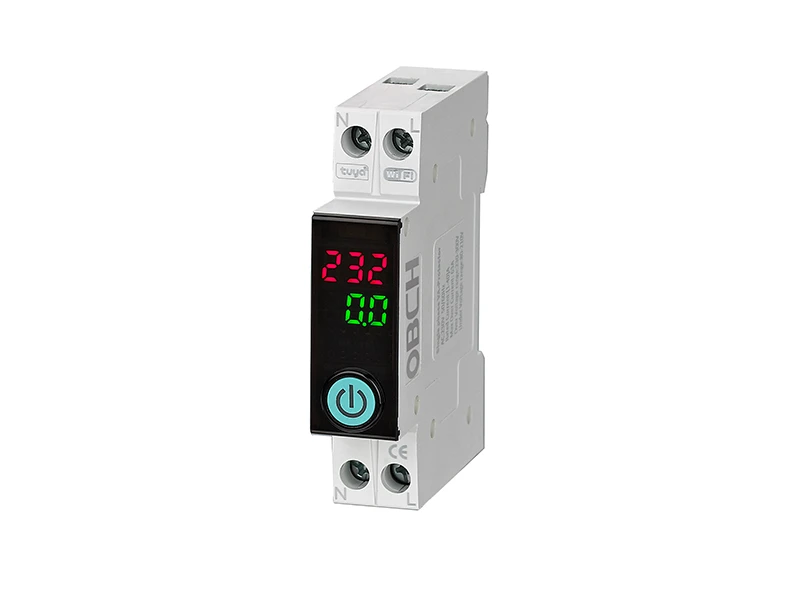
While there are many options on the market, OBCH has developed a line of voltage and current protectors that balance robust protection with user-friendly digital controls. Their models feature adjustable voltage windows, delay timers, and real-time status displays—all housed in a compact, DIN-rail mountable design. If you’re ready to move beyond basic power strips, you can explore OBCH’s range of voltage and current protectors for a tailored solution. These devices are backed by independent testing and meet relevant IEC safety standards, giving you confidence in long-term reliability.
Investing in proper voltage protection isn’t just about avoiding repair bills—it’s about preserving the integrity of the appliances that keep your food fresh, your home comfortable, and your work productive. Start by auditing the critical devices in your home, check the quality of your incoming power with a simple plug-in monitor, and then select a protection scheme that matches your risk. For many households, complementing a whole-house surge protector with point-of-use digital voltage protectors creates a layered defense that is both cost-effective and resilient.
*Disclaimer: This article provides general information and does not constitute professional electrical advice. Always consult a licensed electrician for installation and verify product certifications. Independent testing data referenced is based on publicly available standards such as IEC 60364-4-44 and manufacturer specifications.*

 English
 Chinese
 Pусский
 Français
 Español
 Deutsch
 Português
 한국인
한국인 عربي
عربي